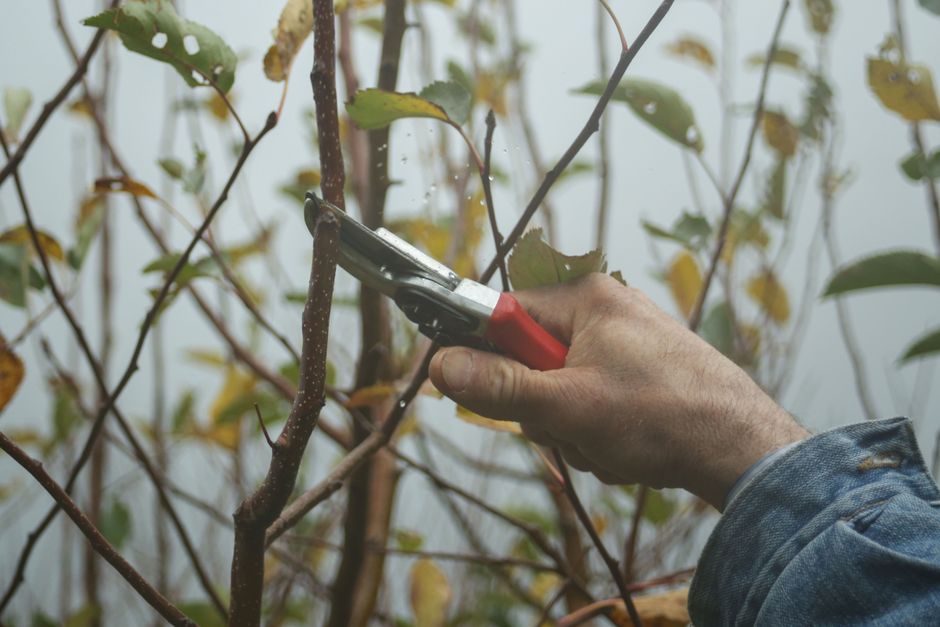
Lambeth Council rules for garden waste and gardeners in Stockwell
If you garden in Stockwell, or you hire someone to keep a garden tidy, the rules around waste can feel a bit fiddly at first. One minute you're trimming a hedge, the next you're staring at bags of clippings, soil, broken pots, and a pile of branches wondering what on earth counts as garden waste and what needs extra care. The good news is that once you understand the basics of Lambeth Council rules for garden waste and gardeners in Stockwell, it becomes much easier to stay tidy, avoid mistakes, and keep everything moving without stress.
This guide breaks the topic down in plain English. You'll see how garden waste is usually handled, what gardeners need to think about on real jobs, how to reduce hassle, and where good practice matters just as much as the letter of the rules. It's written for homeowners, landlords, tenants, and local gardeners alike - basically anyone who wants the job done properly, without ending up with fly-tipping problems or a messy finish.
Table of Contents
- Why Lambeth Council rules for garden waste and gardeners in Stockwell Matters
- How Lambeth Council rules for garden waste and gardeners in Stockwell Works
- Key Benefits and Practical Advantages
- Who This Is For and When It Makes Sense
- Step-by-Step Guidance
- Expert Tips for Better Results
- Common Mistakes to Avoid
- Tools, Resources and Recommendations
- Law, Compliance, Standards, or Best Practice
- Options, Methods, or Comparison Table
- Case Study or Real-World Example
- Practical Checklist
- Conclusion
- Frequently Asked Questions
Why Lambeth Council rules for garden waste and gardeners in Stockwell Matters
Garden waste looks harmless, but it causes more problems than people expect. A few tied-up bags of hedge cuttings may seem like no big deal, yet if they're left in the wrong place, overfilled, contaminated with soil, or collected by the wrong person, the result can be delays, complaints, or extra disposal costs. In a busy neighbourhood like Stockwell, where streets, front gardens, shared access ways, and small outdoor spaces all overlap, that matters even more.
For residents, the main issue is simple: you want your garden cleared without creating a nuisance or risking a breach of local waste rules. For gardeners, the issue is broader. You're not only doing the cutting and clearing; you're also handling a waste stream that needs to be separated, stored, loaded, and disposed of responsibly. A decent gardener knows the pruning is only half the job. The tidy exit is the other half.
There's also a trust angle. If you're paying someone to work on your garden, you expect them to know the basics of lawful waste handling. Nobody wants to find out, three days later, that a pile of branches was left by a communal bin because the job ran long and the van was full. That sort of thing gets awkward fast.
Practical takeaway: the best garden jobs in Stockwell are the ones where the cutting, collection, sorting, and disposal all line up properly from the start.
And yes, this includes small jobs too. A light hedge trim can still create enough material to matter, especially if it's wet, bulky, or mixed with soil and general rubbish. Truth be told, the smaller the garden, the easier it is to cause a mess if waste is not planned for.
How Lambeth Council rules for garden waste and gardeners in Stockwell Works
Most garden waste rules in London work on the same basic principle: keep recyclable green waste separate where possible, do not dump it in public spaces, and make sure it goes to an authorised destination. Lambeth's approach is shaped by the same common-sense expectations that apply across local councils: waste should be contained, transferred responsibly, and never abandoned on pavements, kerbs, or verges.
For everyday garden work, the practical workflow usually looks like this:
- Separate the material. Put green waste such as grass cuttings, leaves, hedge trimmings, and small branches together if it can be recycled or composted.
- Keep non-green items out of the pile. Soil, stones, plastics, treated timber, old plant pots, broken tools, and general household rubbish often need different handling.
- Contain the waste properly. Use bags, bundles, bins, or a vehicle load that is secure and safe.
- Move it promptly. Garden waste left sitting around invites smells, pests, and neighbour complaints. On a damp London morning, it can also get surprisingly heavy and awkward.
- Dispose of it through a lawful route. That might mean council collection where available, a permitted recycling facility, or a professional clearance service with the right waste handling process.
For gardeners, the key is not just physical removal. It's the decision-making around what can be reused, composted, mulched, or disposed of separately. The same pile of material can contain several waste types if you're not careful. That is where trouble starts.
If a job involves more than a simple tidy-up, it helps to plan waste handling before the first cut is made. That's especially true for larger clearances, overgrown gardens, and seasonal work after a long spell of growth. If you need a broader service set, the company's services overview and garden clearance support can be useful starting points.
Key Benefits and Practical Advantages
Following the rules properly is not just about staying out of trouble. It genuinely makes garden work smoother. When waste is handled well, the whole job feels calmer and more professional. Less scrambling. Less backtracking. Fewer awkward "where do we put this now?" moments.
- Cleaner finish: your garden looks done, not half-done.
- Lower chance of complaints: neighbours are less likely to object if bags aren't left out for long or blocking shared space.
- Better recycling outcomes: green waste can often be diverted away from general refuse.
- Safer working conditions: fewer trip hazards, sharp objects, and unstable piles.
- Less risk of fly-tipping issues: waste goes to the right place, rather than "temporarily" ending up somewhere it shouldn't.
- More accurate pricing: if the waste type and volume are clear, quotes are usually easier to understand and compare.
There's another practical benefit that people miss: proper sorting can save time at the end of the job. A gardener who separates green waste from heavy mixed waste usually loads faster, leaves faster, and avoids messy rework. That matters when the weather turns, because London rain has a funny way of arriving right as the last bag is being lifted. Classic, really.
For regular upkeep, combining waste awareness with a routine service can make life easier. A package built around garden maintenance, hedge trimming, or lawn mowing often keeps waste volumes smaller and more predictable.
Who This Is For and When It Makes Sense
This topic matters to more people than you might think. In Stockwell, gardens come in all shapes: small rear yards, shared outdoor spaces, narrow side returns, roof terraces, and compact front plots. Each one creates different waste challenges.
You'll find this especially useful if you are:
- a homeowner trying to clear hedge cuttings or overgrown borders;
- a tenant who wants to leave the garden tidy at the end of a tenancy;
- a landlord preparing a property for re-let or inspection;
- a gardener taking on local work and wanting a clear, lawful process;
- an older resident who needs help with heavier green waste;
- someone dealing with a seasonal garden overhaul after months of growth.
It makes sense to think about the rules before a job starts, not after the waste is already outside. That's particularly true if you're booking help for a one-off clearance, because the waste profile can change the whole quote. A job that looks like "just a tidy-up" can quickly become a bigger clearance once soil, brambles, timber offcuts, or old fixtures are discovered.
If there's tree work involved, the picture changes again. Branches, trunks, stumps, and woody debris need more space and often a different handling plan. In those cases, tree lopping and removal should be discussed in advance, along with the waste it generates.
Step-by-Step Guidance
If you want to stay on the right side of Lambeth Council expectations and keep the job tidy, use a straightforward process. No drama. Just a sensible order of operations.
- Walk the garden first. Look at what is being removed, where it will be stored temporarily, and how it will leave the site.
- Separate waste types early. Put green waste, woody material, soil, and non-garden rubbish in different piles if possible.
- Decide whether the material can be reused. Some clippings can be composted, mulched, or left for habitat use if appropriate.
- Choose the right collection method. Bags, bulk sacks, bins, and vehicle loads all suit different jobs.
- Keep access routes clear. Shared paths, driveways, and communal entrances should not be blocked for long.
- Load safely. Heavy bags and awkward branches are where backs get strained and fences get dinged.
- Check for contamination. A few bits of rubble or plastic in the green waste can make recycling harder.
- Dispose through an approved route. If you're using a gardener or clearance team, ask how the waste will be handled before they begin.
Here's the part that saves a lot of frustration: if the job might produce mixed waste, say so upfront. A ten-minute conversation beats an unpleasant surprise later. Especially if the garden has been neglected for a while and nobody quite remembers what's buried under the ivy.
For more complex outdoor updates, it may also help to plan the work around the rest of the space. For example, if you are clearing a patch to prepare for new features, services such as landscaping, landscape gardening, or even decking services can be coordinated with waste removal so the site stays manageable.
Expert Tips for Better Results
A few small habits make a big difference. In our experience, the most orderly garden jobs are rarely the ones with the fanciest equipment. They're the ones where the waste plan is thought through before everyone gets stuck in.
- Trim in stages for bigger hedges. It prevents the waste from becoming one massive pile that gets in the way.
- Use dry bags where possible. Wet green waste weighs more, smells worse, and is less pleasant to handle.
- Keep one "maybe" pile. If you're unsure whether something is garden waste, soil waste, or general rubbish, separate it until you can decide properly.
- Protect shared surfaces. Tarps or sheets help stop mud and clippings spreading across paving.
- Ask for recycling-first handling. Responsible gardeners should be able to explain what happens to the waste, not just say "it'll be taken away."
- Take photos before and after. Handy for landlords, tenants, and anyone who wants a record of what was cleared.
A good local gardener will also think about the season. Spring growth can generate surprisingly bulky waste. Late summer jobs may include dry cuttings and more light debris. Winter work can be muddy, heavy, and slower. A little planning goes a long way.
If sustainability matters to you, it's worth asking how the waste is managed. The company's recycling and sustainability approach may give you a better feel for the level of care behind the work.
Common Mistakes to Avoid
Most problems are not caused by one huge mistake. They're caused by a few small ones piling up. That's usually how it goes, to be fair.
- Leaving waste on the street too long. Even tidy bags can become a nuisance if they sit out unattended.
- Mixing garden waste with household rubbish. It complicates disposal and can turn a simple job into a mixed-waste problem.
- Ignoring soil and rubble. Heavy material often needs separate treatment.
- Forgetting access constraints. Narrow side gates, shared entrances, and parking restrictions can all affect how waste leaves the property.
- Assuming every gardener includes removal. Some only cut and clear within the garden; others handle disposal too. Ask first.
- Using the wrong bins or containers. Overfilled bags tear, and loose branches are a nuisance in transit.
- Not discussing disposal costs early. Waste removal can be a meaningful part of the job price.
One very common issue is overestimating how little waste a "quick trim" will create. A hedge looks neat when standing, but once it's on the ground it can turn into a bulky, prickly heap. Surprise! Not ideal when you've already arranged the afternoon around "a small job."
Tools, Resources and Recommendations
You do not need specialist machinery for every garden task, but the right tools and preparation make waste handling easier and safer.
| Tool or resource | Best use | Why it helps |
|---|---|---|
| Heavy-duty garden bags | Leaves, clippings, light cuttings | Easy to lift, stack, and move without spilling |
| Tarp or ground sheet | Collecting cuttings during trimming | Keeps paths cleaner and speeds up loading |
| Wheelbarrow or sturdy tub | Moving waste across the property | Reduces repeated carrying and strain |
| Securing straps or twine | Branch bundles and woody waste | Stops awkward material from spreading out |
| Protective gloves | Handling thorny or rough material | Improves comfort and lowers minor injury risk |
For residents who want a simpler route, booking a team that offers garden clearance can remove a lot of the uncertainty. If the garden also needs ongoing attention, combining it with maintenance is often more efficient than calling people out repeatedly for small jobs.
And if you are still comparing service types, a broader page like services overview helps you see how clearance, trimming, mowing, and landscaping fit together.
Law, Compliance, Standards, or Best Practice
Without pretending that every detail is fixed in stone, there are a few solid principles that matter. Garden waste should be managed responsibly, not dumped. It should be kept separate from waste streams it doesn't belong in wherever practical. And anyone collecting it on your behalf should do so in a lawful, safe, and tidy way.
In the UK, waste handling is not something to take casually. If a gardener removes waste from a client's property, they should be able to explain how it is transported and disposed of. That usually means using a legitimate waste route and keeping the worksite controlled. The exact operational method will vary by contractor, but the standard of care should not. If anything, local work in places like Stockwell demands a bit more thought because access can be tight and neighbours are often close by.
Good practice usually includes:
- separating green waste from general rubbish;
- keeping pathways and entrances free from obstruction;
- handling sharp or heavy material safely;
- avoiding overnight storage of loose waste outside the property;
- using proper disposal routes rather than informal dumping;
- explaining any extra disposal charges clearly before work begins.
Professional standards also matter. If you hire help, it is reasonable to expect clear communication, sensible scheduling, and appropriate care around property boundaries. For local customers, the reassurance often comes from knowing the business also pays attention to practical matters such as insurance and safety, health and safety policy, and fair terms and conditions.
Options, Methods, or Comparison Table
There is no single best method for every garden. The right choice depends on waste volume, access, time, and whether the material is all green waste or mixed with heavier items.
| Method | Best for | Pros | Trade-offs |
|---|---|---|---|
| Council-style green waste collection | Regular light green waste | Convenient for routine disposal | May not suit mixed or bulky loads |
| DIY bagging and transport | Small jobs or one-off tidy-ups | Low cost if you have time and transport | Physical effort and limited vehicle space |
| Professional garden clearance | Overgrown or bulky gardens | Fast, tidy, less hassle for you | Usually more expensive than doing it yourself |
| Ongoing maintenance visits | Gardens that grow quickly | Keeps waste smaller each time | Requires regular scheduling |
If you only have a few bags of clippings, a simple routine may be enough. If the garden has become tangled, dense, or heavily layered with old growth, a clearance visit is usually the better call. There is no medal for trying to do an enormous bramble job with one small bin and a prayer.
For people comparing service packages, it can help to think in terms of the end result you want. A clean-off for a move-out is different from weekly upkeep for a family garden. That distinction matters more than most people realise at first.
Case Study or Real-World Example
Picture a typical Stockwell rear garden after a few months of growth. A tall hedge has started leaning into the path, the lawn is patchy, the borders are full of clippings, and there's a pile of old stems from a previous cut sitting in one corner. Nothing extreme, just one of those "we'll sort it later" gardens that quietly becomes a bigger task.
A sensible approach would be to start with the hedge and reduce the bulk gradually, then mow the lawn, then clear the cuttings into separate piles. Straight green waste goes one way. Thicker woody bits go another. Any broken pots, stray plastics, or odd bits of old fencing are kept apart. At the end, the garden is not only neat; the waste is organised for lawful disposal. That is the difference between a tidy job and a rushed one.
What tends to help most in this sort of situation is communication. The client says what matters, the gardener flags what they find, and the waste plan adjusts. Often, the first surprise is how much space the cuttings take up once they're off the shrubs. It always looks less dramatic on the bush, doesn't it?
That is where a local service mix can be useful. A visit combining hedge trimming, lawn mowing, and the right clearance approach saves repeat trips and keeps the site in better shape from the outset.
Practical Checklist
Use this quick checklist before and during a garden job in Stockwell:
- Check the waste type: green waste, woody waste, soil, or mixed rubbish?
- Confirm access: gate width, stairs, shared entrances, parking, and carrying distance.
- Ask how waste will be removed: bags, vehicle, clearance service, or collection.
- Separate anything questionable: old timber, plastic, metal, rubble, and broken pots.
- Protect paths and surfaces: use sheets or careful loading where needed.
- Plan for weather: wet cuttings get heavy quickly.
- Confirm the disposal route: lawful and appropriate for the material.
- Agree the price clearly: especially if waste volume may change.
- Keep neighbours in mind: noise, access, and shared spaces.
- Finish with a final sweep: the small bits are what people notice first.
If you're reviewing a provider, it also helps to check how they present themselves as a business. Pages such as about us, pricing and quotes, and contact us can give you a better sense of how straightforward they are to deal with. And that matters. More than people think.
Get a free quote today and see how much you can save.
Conclusion
Getting garden waste right in Stockwell is really about being organised, respectful, and realistic. Lambeth Council rules for garden waste and gardeners in Stockwell are best understood as a simple framework: keep waste contained, separate what can be recycled, avoid dumping or clutter, and use a proper disposal route. Once that becomes routine, garden jobs feel much easier to manage.
Whether you're pruning a front hedge, clearing a neglected rear garden, or hiring help for a larger outdoor refresh, the same principle holds true: plan the waste as carefully as the work itself. That's how you avoid mess, save time, and leave the space looking properly finished.
If you're unsure where to begin, start small. Separate the material, ask clear questions, and choose a method that fits the garden rather than forcing the garden to fit the method. Simple, but it works.
And honestly, a clean garden after a tidy job has a quiet kind of satisfaction to it. You notice the air more. You hear the street again. Everything just feels a bit lighter.
Frequently Asked Questions
What counts as garden waste in Stockwell?
Garden waste usually includes grass cuttings, hedge trimmings, leaves, small branches, weeds, and other green material from routine garden work. Soil, rubble, plastics, timber, and household rubbish are typically handled separately.
Can gardeners leave bags of green waste on the pavement?
Not as a long-term solution. Waste should be stored and removed responsibly. Leaving bags out in a public area for too long can cause obstruction, complaints, and disposal issues.
Do all gardeners in Stockwell include waste removal?
No, not always. Some gardeners only carry out cutting and maintenance, while others include collection and disposal. It is worth checking before the job starts so you know exactly what is included.
Is garden waste always recyclable?
Not always. Clean green waste often can be composted or recycled, but mixed loads containing soil, plastic, treated wood, or general rubbish may need different handling.
What should I do with soil and rubble from a garden job?
Soil and rubble usually need separate disposal from green waste. They are heavier, bulkier, and often require a different route than normal plant cuttings.
How do I avoid extra charges for garden clearance?
Be clear about the amount and type of waste before work begins, mention hidden areas, and ask how the price changes if the job turns out to be larger than expected.
What is the safest way to handle thorny or heavy cuttings?
Use gloves, strong bags, and manageable bundles. For bigger jobs, keep the load size sensible and avoid overfilling containers, because awkward branches can shift suddenly.
Do Lambeth Council rules affect small private gardens too?
Yes, in the sense that waste still needs to be handled responsibly. Even small gardens can create waste that should not be dumped, blocked, or mixed carelessly with other rubbish.
Should I book maintenance or a one-off clearance?
If the garden is already in a manageable state, regular maintenance is often enough. If it is overgrown, cluttered, or full of old material, a clearance is usually the better choice.
How often should garden waste be removed?
It depends on growth and garden size. Some properties need weekly or fortnightly attention in the growing season, while others only need occasional removal after bigger cuts.
What if I have a garden job but no vehicle to take the waste away?
That is a common problem. In that case, a professional clearance service or a gardener who handles disposal may be the most practical option, especially for bulky loads.
Where should I start if I want help with garden waste in Stockwell?
Start by identifying the type and volume of waste, then decide whether you need trimming, clearance, or ongoing maintenance. If you want a structured service, it helps to review the available options and ask for a clear quote before anything is cut.