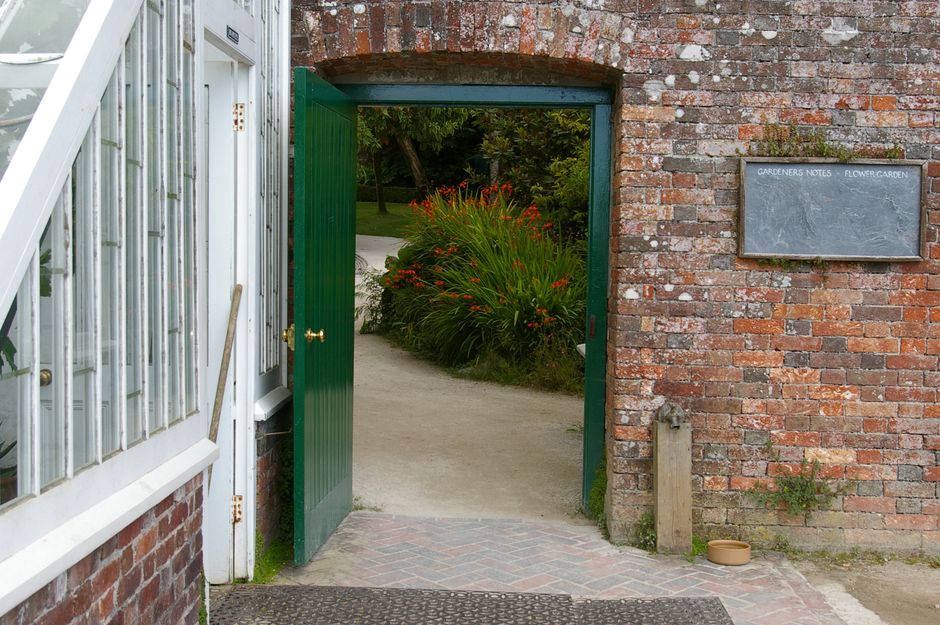
Difficult access gardens Stockwell solutions from local gardeners
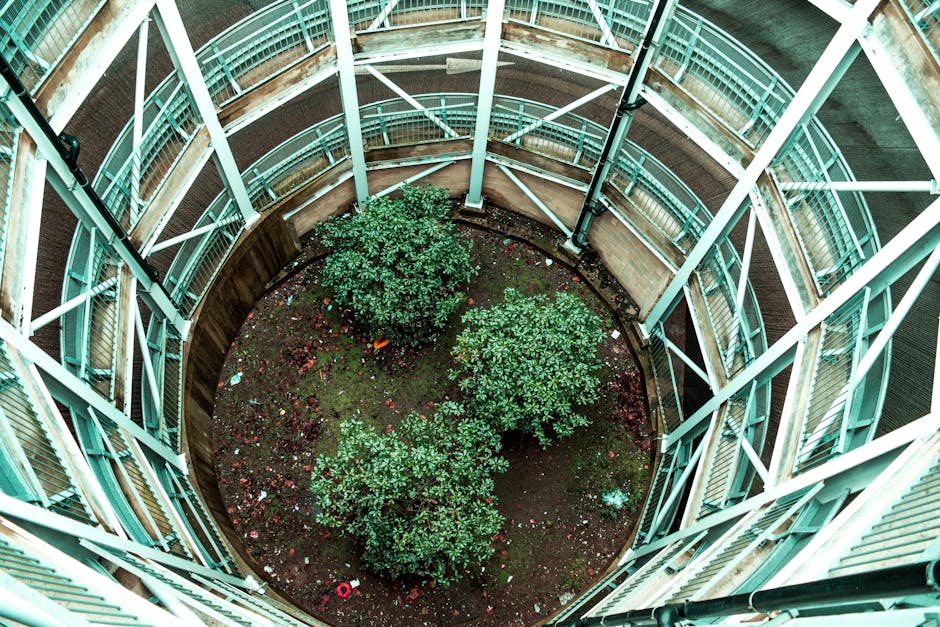
If your garden is tucked behind a terrace, reached only through a narrow side passage, or awkwardly split over steps and uneven ground, you already know the hassle. Bags of waste become harder to move, tools are awkward to carry, and even a simple tidy-up can feel like a small logistical puzzle. That is exactly where Difficult access gardens Stockwell solutions from local gardeners make a real difference. Local gardeners who understand tight London spaces can plan the job properly, work safely, and leave the area looking cared for rather than battered.
In Stockwell, gardens often come with the quirks of older housing stock, shared access paths, compact yards, and places where a wheelbarrow is useful in theory but not always in practice. This guide explains how difficult-access garden work is handled, what good service looks like, and how to choose the right approach for your space. You will also find a practical checklist, a comparison table, and a few straight-talking tips from the sort of work that tends to happen on a damp Tuesday morning when the back gate barely opens. Not glamorous, but very real.
Expert summary: The best solution for a hard-to-reach garden is rarely brute force. It is usually careful planning, the right tools, sensible waste handling, and a local team that knows how to work in tight spaces without creating new problems.
Why Difficult access gardens Stockwell solutions from local gardeners Matters
A difficult-access garden is more than a minor inconvenience. When access is tight, every part of the job becomes more sensitive: carrying equipment, removing waste, protecting flooring, avoiding damage to fences and walls, and simply getting enough movement to work properly. In a busy area like Stockwell, with terraces, basements, and narrow passageways, the wrong approach can turn a routine garden visit into a noisy, messy compromise.
Why does that matter? Because a garden that is hard to reach can easily be neglected. People put off hedge cutting, lawn mowing, or garden clearance because they do not want the disruption. Then things build up. The space becomes less usable, more overgrown, and more expensive to restore later. That is how a small access issue quietly becomes a bigger maintenance issue.
Local gardeners bring an advantage here that is easy to underestimate. They are used to London layouts, they know how to pace work around limited access, and they tend to arrive with practical expectations rather than optimistic guesswork. If a side gate is only half useful, they will usually know that straight away. To be fair, that saves everyone time.
There is also a trust angle. When access is awkward, you want a team that respects your property and your neighbours. That includes quiet handling of tools, tidy waste removal, and careful movement through shared areas. A sensible local service should feel measured and organised, not rushed and clumsy.
If you are comparing broader help for your outdoor space, it can be useful to review the full range of garden services so you can match the work to the layout of your property rather than forcing one solution onto every job.
How Difficult access gardens Stockwell solutions from local gardeners Works
The process usually starts with an access check. That sounds basic, but it matters a lot. A gardener should look at where tools can enter, where waste can leave, whether steps or narrow corridors need protection, and whether larger items need to be broken down before removal. In some gardens, even a standard mower will be the wrong choice, so a smaller machine or more manual method makes more sense.
From there, the work is planned around the real shape of the garden. That may mean using lighter equipment, carrying materials in smaller loads, or doing more of the cutting and clearing in stages. The aim is not just to finish the job. It is to finish it without damaging the route in and out.
Typical difficult-access solutions may include:
- hand-carrying green waste rather than using bulky containers
- using compact tools for tight side returns and courtyard gardens
- splitting clearance into sections so movement stays manageable
- protecting paving, decking, and internal flooring on the route to the garden
- choosing quieter, lower-vibration equipment where appropriate
- removing obstructions first, then completing the main work
The actual sequence depends on the task. For example, a hedged front-to-back passage may need trimming before clearance, while an overgrown rear garden might need waste reduction first so the worker can simply move around. There is no one-size-fits-all answer, and that is the point.
Where the job involves overgrown areas, it can help to combine access planning with garden clearance support or, if the space needs ongoing upkeep rather than one-off recovery, regular garden maintenance.
Key Benefits and Practical Advantages
The most obvious benefit is simple: the work gets done. But in practice, there are a few more layers to it.
- Less disruption: Good planning keeps movement through the house, alley, or shared access to a minimum.
- Lower risk of damage: Careful handling reduces scrapes to walls, fences, gates, and paving.
- Better finish: A garden that is accessible by a sensible method tends to be cut, cleared, and tidied more thoroughly.
- More realistic scheduling: A local gardener can judge how long difficult access may add to the job, which helps with planning.
- Safer work: Fewer awkward lifts and fewer rushed manoeuvres usually mean fewer accidents.
- Less stress for you: You do not have to figure out how to move cuttings, tools, or debris through a tricky layout yourself.
There is another benefit people often overlook: consistency. Once a gardener understands your access pattern, future visits become easier. They know the gate that sticks, the step that catches, the patch of loose gravel, the place where the bins need to stay clear. It sounds small, but that kind of familiarity is gold.
For gardens that need a visual upgrade as well as practical care, a local team can combine access-aware maintenance with landscaping work or more detailed landscape gardening. That can be especially useful where a cramped layout needs smarter structure, not just trimming and tidying.
Who This Is For and When It Makes Sense
This kind of service is for anyone whose garden is not straightforward to reach. That includes basement flats, terraced homes with rear access, properties with narrow side alleys, split-level gardens, and homes where the only route passes through the house. It is also relevant if you have heavy planting, dense hedges, or accumulated waste that is simply too awkward to deal with alone.
It makes sense when:
- you cannot easily use a standard mower, wheelbarrow, or large clearance bags
- the route to the garden is narrow, steep, or shared
- you want to avoid disturbing neighbours or blocking communal access
- the garden has become overgrown and movement is restricted
- you need pruning, mowing, clearance, and tidy-up work in one visit
- you prefer a local team that can assess the access before starting
Some people wait until the garden becomes a problem before calling anyone. Fair enough, life gets busy. But if access is already difficult, a little early intervention usually saves effort later. Even a modest seasonal cutback can stop the space from feeling like a squeeze every time you open the back door.
If your issue is mainly a dense hedge line blocking access, trimming may help more than clearance. A dedicated hedge trimming service can reduce the bulk and improve movement through the garden in a way that feels immediate.
Step-by-Step Guidance
If you want a smooth experience, it helps to think about the job in stages. The better prepared the access is, the less likely you are to run into delays or unnecessary damage.
- Walk the route first. Check every gate, passage, step, and door the team might use. Look for obstacles like bikes, bins, plant pots, hoses, or loose boards.
- Identify the bottleneck. Is it width, height, stairs, weight, or a combination? That answer changes the whole approach.
- Decide what needs to move. Are you expecting mowing, hedge work, clearance, or a wider tidy-up? Different jobs create different waste and equipment needs.
- Protect the route. If foot traffic or tools will pass through the home or along delicate paving, use coverings or agreed care measures before work starts.
- Choose the right method. Smaller tools, manual handling, staged waste removal, or compact machinery may be the smarter option.
- Keep communication simple. Tell the gardener about locked gates, shared entrances, neighbour access, pets, and anything that can trip people up. Literally and figuratively.
- Review the finish. Check that waste is cleared, surfaces are left safe, and access routes are returned to normal.
A good local gardener will often do some of this naturally, but it helps if you do not leave everything to chance. One five-minute conversation at the start can prevent a lot of awkward carrying later on. And yes, it really can be that mundane.
Expert Tips for Better Results
After enough difficult-access jobs, a few patterns become obvious.
1. Keep access clear before the visit. Move personal items away from gates and routes. It is surprising how often a job slows down because a wheelie bin, folded chair, or stack of plant trays has to be shifted first.
2. Prioritise the heaviest waste early. If a job will produce a lot of clippings or branches, it is often better to remove bulk while the team is still fresh rather than leave it all for the end.
3. Use the space as it is, not as you wish it were. This sounds obvious, but people sometimes describe access in ideal terms. "You can get a mower through there" and "you could get a mower through there on a perfect day with no mud" are two different things.
4. Think about future maintenance, not just the current visit. If the garden is hard to reach, choosing lower-maintenance planting, clearer paths, or more manageable edging can make recurring care much easier.
5. Ask about waste handling early. The route out matters as much as the route in. A quote that ignores the waste element is usually not the whole story.
6. Be honest about the state of the garden. Overgrown spaces are not unusual. No one is shocked. But if the access is tight and the growth is dense, that changes labour time, handling, and equipment choice.
It is also sensible to ask whether the team works with proper safety and insurance expectations. Pages such as insurance and safety information and the company's health and safety policy can tell you a lot about how seriously they take the job.
Common Mistakes to Avoid
Small access jobs often go wrong in fairly ordinary ways. Nothing dramatic. Just a lot of little things adding up.
- Assuming standard tools will fit: A mower, shredder, or bulky waste bag may be awkward or impossible to move through the space.
- Ignoring the return journey: People plan how to get into the garden but forget how the waste will get out.
- Leaving fragile items along the route: Pots, ornaments, mats, and hose reels can all get in the way or get damaged.
- Not mentioning shared access: If a hallway or communal path is involved, everyone needs to know.
- Underestimating the time involved: Difficult access often adds handling time even when the garden itself is not huge.
- Choosing the cheapest quote without checking method: A low price can be tempting, but if the method is wrong, you may pay for it in disruption.
The biggest mistake, in truth, is treating access as a side issue. It is not. It is part of the job. Sometimes it is the job.
Tools, Resources and Recommendations
You do not need specialist knowledge to prepare well, but a few practical tools can make life easier:
- Measuring tape: Useful for checking gate widths, passage points, and the tightest corners.
- Gloves and sturdy footwear: Helpful if you are moving items before the visit.
- Tarpaulin or ground cover: Useful for protecting floors or collecting cuttings in one place.
- Garden sacks or heavy-duty bags: Better for compact waste than oversized containers that are hard to manoeuvre.
- Simple route map: A quick mental or written note of the access path helps the gardener plan.
- Phone photos: Handy if you are requesting a quote and want to show the layout before anyone visits.
If your garden needs more than one type of work, a combined approach can be efficient. For example, you might pair clearance with lawn mowing, or follow up with ongoing maintenance to stop the space becoming hard to manage again.
If you are trying to decide between a refresh and a more structural change, browsing decking options can also be useful, especially where a hard-to-reach garden could benefit from a more defined and practical surface.
Law, Compliance, Standards, or Best Practice
For garden work with difficult access, the main compliance concerns are usually safety, property care, waste handling, and neighbour consideration. In practical terms, that means working in a way that avoids preventable injury, avoids damage to shared areas, and keeps the site tidy.
In the UK, a professional approach normally includes:
- safe manual handling of waste and equipment
- clear communication about access restrictions
- appropriate insurance for work on private property
- care around slippery paths, steps, and uneven ground
- respect for shared entrances, boundaries, and neighbouring properties
If a job involves tree work, even in a confined garden, that becomes more sensitive still. Branches can be awkward, heavy, and unpredictable. That is where a service such as tree lopping and removal may be relevant, but only when it is suitable for the tree and the setting. It is not a corner to cut.
Reputable gardeners should also be able to explain their policies in plain English. If they have clear information about terms and conditions, payment and security, and recycling and sustainability, that is usually a sign they run a more organised service. Small detail, yes. But small detail is often where quality shows up.
Options, Methods, or Comparison Table
There are a few ways to approach a difficult-access garden. The right one depends on the layout, the amount of work, and how often you want the garden maintained.
| Approach | Best for | Pros | Limitations |
|---|---|---|---|
| Manual access and hand-carrying | Narrow gardens, awkward side returns, shared routes | Flexible, low-risk, adaptable | Slower for larger jobs |
| Compact tools and lightweight equipment | Courtyards, small urban plots, tight gates | Efficient in restricted spaces | May not suit heavy overgrowth |
| Staged clearance | Heavily overgrown spaces with poor access | Reduces congestion and makes movement easier | Can take longer overall |
| Combined maintenance visit | Gardens needing mowing, hedge work, and tidying together | Good value and better continuity | Requires clear planning at the outset |
In many Stockwell gardens, a combined visit is the most sensible option. That might mean hedge cutting, a lawn tidy, and removal of clippings in one planned pass. Less back-and-forth. Fewer surprises. Honestly, that is usually what people want anyway.
Case Study or Real-World Example
Imagine a typical terraced property in Stockwell with a rear garden accessed through the house and a narrow passage to the back. The lawn has become patchy, the hedge line has pushed into the walkway, and there is a pile of cuttings left from an old DIY attempt. Nothing catastrophic. Just awkward.
A local gardener would usually start by confirming the route, protecting the hallway if needed, and removing the largest obstructions first. The hedge is reduced carefully so the passage opens up. The waste is gathered in manageable loads rather than all at once, which keeps the route safer and the job calmer. Then the lawn is cut or tidied, the remaining debris is cleared, and the space is left usable again.
What changed? Not the size of the garden. The method changed. And that is the real lesson here. Difficult access is less about the garden being impossible and more about the work needing a better plan.
That is also why local experience matters. A gardener who already knows Stockwell layouts can often see the likely pinch points before the first tool comes out of the van. It saves time, yes, but it also lowers the stress level for everyone involved. Which, let's face it, is a pretty welcome thing.
Practical Checklist
Use this checklist before booking or starting work in a hard-to-reach garden:
- Measure gates, side passages, and any narrow points
- Remove bins, bikes, toys, and loose items from the route
- Check for steps, slopes, slippery paving, or uneven ground
- Decide whether access goes through the property or via an external route
- Take photos if you want to explain the layout quickly
- List the jobs you want done: clearance, mowing, hedge trimming, planting, or repairs
- Ask how waste will be removed from the site
- Confirm whether neighbours, shared entrances, or internal flooring need extra care
- Check the gardener's safety and insurance information
- Agree on timing, entry arrangements, and what happens if access changes on the day
If you want to know more about the people behind the service, the about us page can give useful background on the team and how they work. If you already know what you need, the next step is simple: reach out and describe the access in plain terms, even the annoying bits. Especially the annoying bits.
Conclusion
Difficult access gardens in Stockwell are manageable when the work is planned properly. The right local gardener will look at the route, match the equipment to the space, and handle the job in a way that respects both your property and your time. That is the whole game, really: careful planning, practical tools, and enough local know-how to avoid the usual headaches.
Whether the garden needs clearing, maintenance, hedge work, mowing, or a more considered redesign, a sensible approach can turn a frustrating layout into something usable again. And once that access pressure is reduced, the garden often starts to feel bigger, calmer, and more inviting. Funny how that works.
Get a free quote today and see how much you can save.
When a tight garden finally starts to breathe again, it is a good feeling. Small space, better flow, less fuss. That is the kind of result worth aiming for.
Frequently Asked Questions
What counts as a difficult access garden?
Any garden that is hard to reach with standard tools or waste bags can count as difficult access. That usually includes narrow side passages, basement gardens, terraces with only indoor access, shared entrances, steps, or awkward corners that make movement slow and careful.
Can local gardeners in Stockwell work through my house?
Sometimes, yes, if that is the safest and most practical route and it is agreed in advance. Good gardeners will usually protect flooring where needed and keep the route as tidy as possible. The key is to discuss it before the visit so nobody is improvising at the door.
Do difficult access jobs cost more?
They can, because they often take more time and involve more careful handling. The exact cost depends on the layout, the amount of waste, the tools required, and whether the work needs to be done in stages. A clear quote should explain what is included.
What kind of garden work is most affected by access problems?
Garden clearance, hedge trimming, waste removal, and larger landscaping tasks are usually the most affected. Lawn mowing can also be tricky if the mower cannot be moved in and out easily or if the lawn itself is badly overgrown.
How do I prepare a narrow garden for a visit?
Clear the route of bins, bikes, pots, furniture, and anything fragile. Measure the tight points if you can, and let the gardener know about steps, locks, or shared entrances. A few minutes of prep saves a surprising amount of hassle.
Is it better to choose a local gardener for an awkward layout?
Usually, yes. Local gardeners are more likely to understand London-style access issues and can make realistic judgments about what is possible. In practice, that often means fewer delays and a better fit between the plan and the space.
Can a difficult access garden still be landscaped properly?
Absolutely. The design may need to be more compact and practical, but that does not mean it has to be plain. Thoughtful landscaping can improve movement, reduce maintenance, and make the garden feel more open even when the access itself stays tight.
What should I ask before booking?
Ask how the team will access the garden, how waste will be removed, whether they bring compact equipment, and what insurance or safety measures they use. It is also worth asking whether they have experience with similar properties in Stockwell.
Do I need garden clearance before regular maintenance starts?
Often, yes. If the garden is overgrown or cluttered, clearance makes future maintenance much easier and more efficient. Once the space is under control, regular visits can usually keep it that way with far less effort.
How do I know if a quote is realistic?
A realistic quote should reflect the access route, the amount of work, and the time needed to move waste safely. If a quote seems unusually low but ignores the route in and out, it may not be comparing like with like.
What if my access changes on the day?
Tell the gardener as soon as possible. A gate might be locked, a neighbour might need access, or an unexpected obstacle might appear. Good communication usually allows the plan to be adjusted without drama. Not ideal, but fixable.
Can difficult access gardens be maintained on a regular schedule?
Yes, and that is often the smartest long-term approach. Once the space has been brought under control, regular maintenance keeps growth manageable and prevents the access from becoming blocked again. Small, steady care tends to win here.
If you are ready to talk through your garden layout, you can contact the team here and explain the access as clearly as you can. That first conversation is usually where the real solution starts.